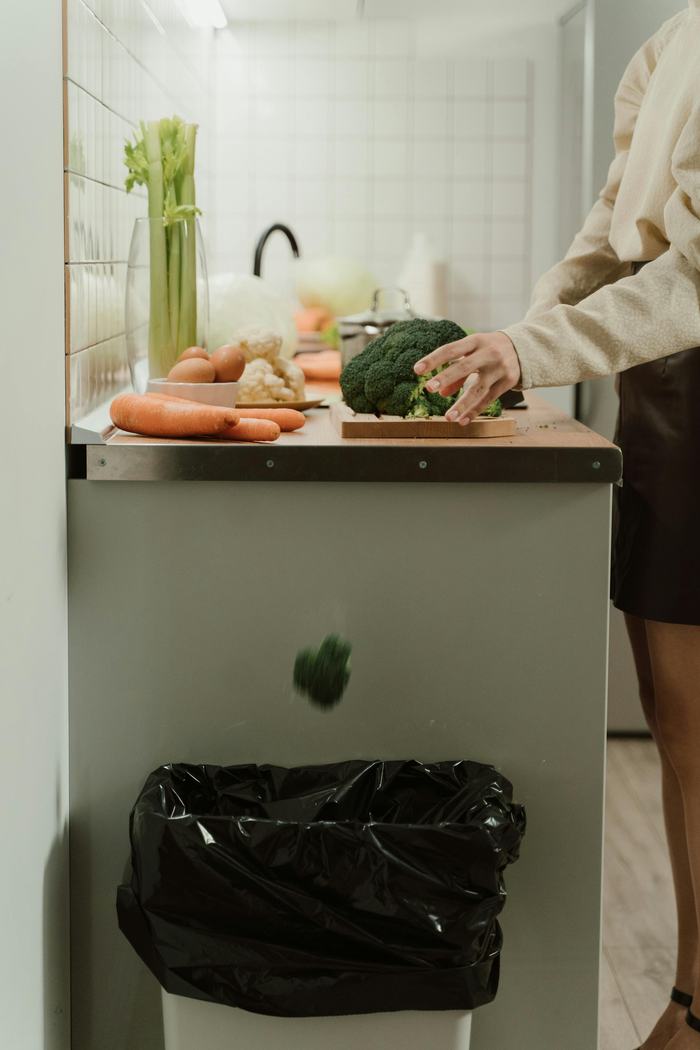
Have you ever found yourself throwing away food that is expired or can't be consumed? According to the U.S. Department of Agriculture (USDA), over one-third of available food in the United States goes to waste every year.
Not only is food waste bad for the environment, it's also bad for your wallet! Throwing away food means throwing away money that could have been stretched further, whether that money came from SNAP benefits or your paycheck.
SNAP stands for the Supplemental Nutrition Assistance Program and was formerly known as “food stamps.” SNAP is available for low-income families to provide assistance purchasing nutritious food. If you would like to learn more about this program, contact the More In My Basket team toll free at 1-855-240-1451.
In addition to considering applying for SNAP, here are some general tips that will help you reduce food waste and food expenses in your home:
Prepare fruits: After purchasing fruits, prepare them for snacking and cooking throughout the week. For example, remove the rind from large fruits such as pineapple and melons, cut them into chunks and place them in airtight storage containers in the fridge for easy consumption. Some produce, like berries, should only be washed right before eating to prevent mold. To learn more, take a look at this More In My Basket blog post: “Reduce Food Waste”.
Freezer meals: Large batch meals are great candidates for portioning to freeze. Casseroles, one-pot recipes, soups and stews are ideal. Other favorites include sloppy joes, tacos, shredded barbeque pork, and fillings to roll up a burrito. Freezing half of the prepared meal will offers several benefits: it helps ensure your family doesn’t tire of the same food, prepared ready-to-eat meals are on hand, and best of all uneaten portions don’t get thrown away. Remember to indicate on the container when the meal was cooked and frozen. Not sure how to package freezer meals? See “Freezer Meals: A simple solution with little clean up.”
Create several meals from the same item: Large food items such as rotisserie chicken may take several days to consume. With some creativity, multiple meals can be made with rotisserie chicken. Day one, eat the chicken as an entrée with vegetables. On day 2, make chicken noodle soup. There will be plenty of chicken and vegetables from day one and soup makes the perfect freezer meal. Finally, on day 3, use the remaining chicken to enjoy a sandwich. Looking for recipes? See this 3-part series “One chicken – several meals”
The USDA also recommends that you:
Plan your next grocery trip: Write down all the items you need to purchase and bring the list with you to your local grocery store. Be sure to check your pantry to avoid buying duplicates. This should help you stay consistent and only buy the items you truly need. Remember that if you receive SNAP benefits, you can use them to stock your pantry!
Control your portions: When serving your plate, choose smaller portions; you can always go back for more later if needed. This helps reduce food waste, since food left uneaten on your plate often ends up in the trash.
Recycle food scraps: Instead of mixing your food scraps with other trash, recycle them into compost (a mixture of ingredients added to soil to help it grow). If you are not able to set up a compost bin in your home, drop your food scraps at a local compost center. You can see more about composting at home here. The composted material can be great for those seeds and edible plants that you can buy with your SNAP benefits!
Consume perishables within days: Check the food available in your home and make sure to use your perishables items first. You can also use the First In, First Out method which recommends that you shelve your food by use-by or expiration date, so that older foods are used first. Store products with the earlier dates in front of products with later dates. Remember: out of sight, out of mind.
Order out wisely: If you decide to eat out during the week, try to only order what you can finish. Ask restaurant staff for portion sizes and whether your entrée comes with side dishes. If you take leftovers home, eat them by the next day.
Following these tips should help you reduce food waste in your home and save some of your SNAP benefits for future purchases.
References
Environmental Protection Agency. 2025. “Preventing Wasted Food At Home | US EPA.” Reduce, Reuse, Recycle. https://www.epa.gov/recycle/preventing-wasted-food-home.
Environmental Protection Agency. 2025. “Composting At Home.” Reduce, Reuse, Recycle. https://www.epa.gov/recycle/composting-home.
U.S. Department of Agriculture. n.d. “Why Should We Care About Food Waste?” U.S. Department of Agriculture: Food Loss and Waste. Accessed September 11, 2025. https://www.usda.gov/about-food/food-safety/food-loss-and-waste/why-should-we-care-about-food-waste.