All plants require a few basic things in order to survive, and especially to thrive. These needs include water and adequate nutrition, space to grow, and sunlight. If we are following our planting best practices, we space plants so that they have enough room for their roots to grow and absorb the nutrients that are in the soil, as well as far enough apart to account for their mature growth size without touching any other plants around them. Depending on the plant and how much of any specific nutrient it requires, it is also best practice to take a soil test followed by soil amendment via fertilizer and amendments. Our planting depth is also important, and many of the trees and shrubs that I am called out to visit are those that were planted too deep initially and have experienced declining health over the course of their life span until they are noticeably stressed or diseased.
There are a few common causes of plants not thriving past the first year, in addition to being planted too deeply. These include issues such as soil preparation and planting during higher heat periods without necessary irrigation. When plants are planted in the spring and summer, they are attempting to grow roots at the same time as their canopy, while also requiring higher amounts of irrigation, and this can cause stress over time. Often times if you hear of a plant not making it past the first year after being planted, it is due to heat/water stress.
A technique that can be used to mitigate this risk is planting perennials in the fall. Shrubs and trees that are planted in the fall still get the benefit of warm soil temperatures when they are planted, and the additional benefit of cooler air temperatures as they work on their root development throughout the winter and early spring. By the time that the temperatures have risen again and most plants are putting energy towards their foliage growth as well as their flowers and fruit, they’ve already had an entire season to grow out roots. So, they’re better equipped to gather both water and nutrients through their expanded root systems as the hot days start. This also reduces the likelihood of them experiencing water stress. In general, fall-planted flowering perennials will also be showier in the spring and summer, with more blooms than those planted in the spring.
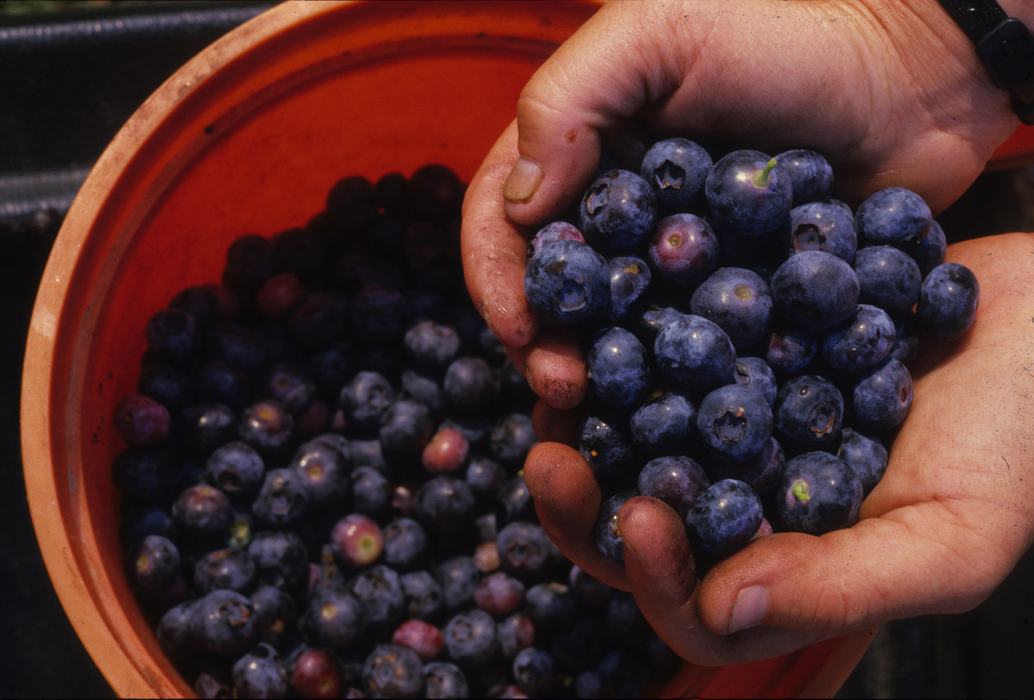
When we plant flowering and fruiting perennials in the spring, such as blueberries, it is recommended to pull off the blooms so that the energy of the plant is concentrated in root development for that year. However, when we plant them in the fall and allow them time to put out their roots before they put out blooms in the spring season, this becomes less important for plant success, and we don’t miss out on that year’s fruit either.